Butterfly Pattern Font for Web Design
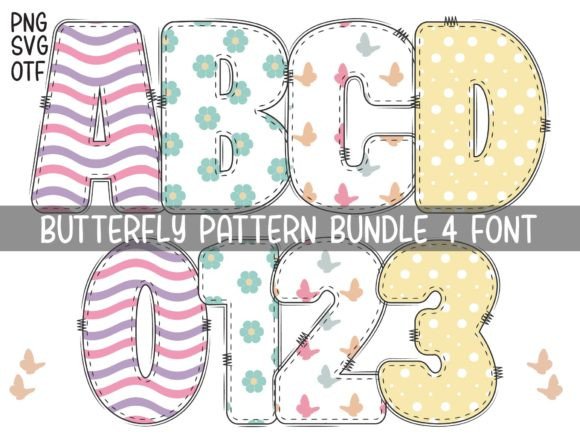
Testing Butterfly Pattern in a hero section of a boutique online store felt like adding a touch of magic to the design. The font’s delicate butterflies inside each letter create a whimsical effect that feels both playful and refined. It’s not just a font—it’s a visual story that adds personality to digital spaces.
As a web designer, I often look for fonts that can elevate a brand without overwhelming the user. Butterfly Pattern fits perfectly in this role. Its color font format allows for intricate details that traditional fonts can’t achieve. The butterflies are subtle but noticeable, giving the text a unique character that stands out in a crowded digital landscape.
Visual Characteristics and Digital Appeal
Butterfly Pattern has a soft, handcrafted feel that works well with creative brands. The font’s design is reminiscent of illustrated typography, making it ideal for projects that want to convey warmth and approachability. The color font format means that the butterflies are embedded directly into the letters, so there’s no need for extra graphics or overlays.
When placed over a background image, the font maintains its clarity without fading into the backdrop. This makes it a great choice for banners, headers, and other prominent areas of a website. The font’s style is best suited for short phrases, headlines, and decorative elements rather than long blocks of text.
Use Cases in Web Design
On a coaching website, Butterfly Pattern worked beautifully as a headline for a new course landing page. The font added a sense of creativity and energy that matched the brand’s message. It also paired well with a clean sans serif font for body copy, creating a balanced contrast between the decorative title and the readable content below.
For a product landing page, using Butterfly Pattern on a call-to-action button made the design more engaging. The font’s charm encouraged users to interact with the page, while the color font format ensured that the text remained visually appealing across different screen sizes.
In a portfolio homepage, the font was used as a header for a section about creative work. The butterflies added a personal touch that reflected the designer’s artistic style. It also helped establish a cohesive visual identity that tied together the site’s layout and branding elements.
Readability and User Experience
While Butterfly Pattern is highly stylized, it remains readable at larger sizes. On mobile screens, the font performs well when used for headlines and short labels. However, it’s not recommended for small text or dense paragraphs, as the intricate details can become difficult to distinguish.
When testing the font on dark backgrounds, the butterflies were still visible but slightly less vibrant. On light backgrounds, the font stood out more clearly, making it a better choice for sites with neutral or bright color schemes. Overlaying the font on images required careful consideration of contrast to ensure legibility.
For fast-loading websites, the font’s file size was manageable, especially when using webfont formats like WOFF2. This made it a practical choice for projects where performance was a priority.
Font Pairing and Brand Consistency
Pairing Butterfly Pattern with a simple sans serif font created a modern, professional look that worked well for a blog redesign. The contrast between the decorative title and the clean body text improved readability without sacrificing visual interest.
For a more editorial feel, combining the font with a serif typeface gave the site a classic, elegant vibe. This pairing was particularly effective for content-heavy pages where a balance between creativity and readability was essential.
When working on a digital brand kit, Butterfly Pattern was used as part of the logo design. The font’s unique style helped differentiate the brand from competitors while maintaining a sense of consistency across all assets.
Practical Considerations for Web Designers
Before using Butterfly Pattern on a project, it’s important to check the available styles, weights, and language support. The font’s color format may have limitations in certain applications, so verifying compatibility with design tools and web platforms is essential.
Commercial licensing is another key factor. Ensuring that the font can be used across multiple websites, client projects, and digital templates avoids potential legal issues down the line. For designers working on e-commerce sites or SaaS platforms, this step is crucial for long-term use.
Overall, Butterfly Pattern offers a fresh and creative option for web designers looking to add a touch of personality to their layouts. Its whimsical design and color font capabilities make it a valuable addition to any digital toolkit, especially for projects that benefit from a more expressive typographic approach.